
Physics-driven space simulator for creative and educational experiments
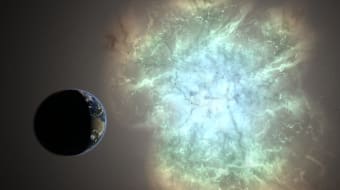
Universe Sandbox 2, from Giant Army, is a physics-based space simulator for exploring and manipulating celestial systems. It runs real-time N-body gravity and climate simulations so players can create, destroy, and observe planetary and stellar interactions across scale. The app pairs scientific models with interactive controls and supports user-made scenarios and community sharing. It targets science enthusiasts, educators, and curious players who want a hands-on, exploratory environment for learning astronomical processes.
Top Recommended Alternative

It turns scientific models into a playable experiment space
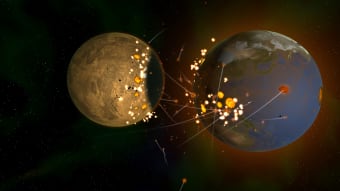
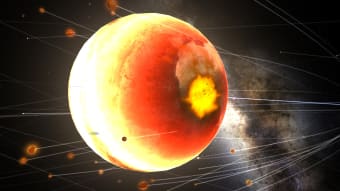
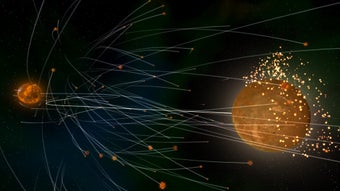
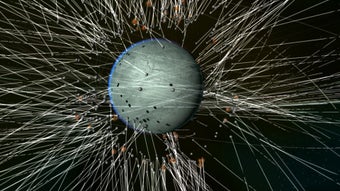
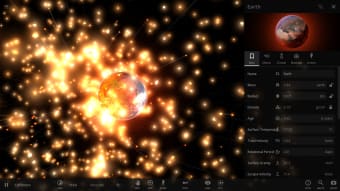
The simulator’s appeal comes from letting you set initial conditions, run the clock, and watch outcomes unfold. Terraforming tools let you change atmospheric pressure, oxygen levels, and water content to test habitability scenarios, while material-based collision physics show crater formation and fragmentation when objects impact. Those systems change how a single session feels, moving the user from observer to active experimenter and inviting iterative tinkering with configurations.
Sharing and immersion extend the sandbox into a community lab
Workshop integration enables uploading and downloading community scenarios, so you can explore other people’s setups or distribute your own. The app supports VR with major headsets, including the HTC Vive, Oculus Rift+Touch, and Valve Index, which lets players inspect details at close range. Classroom use is supported by the developer’s collaboration with scientists, a factor that helps teachers visualize concepts like orbital resonance and Roche limits in lessons.
The depth of simulation shapes the learning curve and interface needs
Because the engine models complex systems such as dynamic climate changes tied to tilt and stellar distance, newcomers should expect a period of experimentation to learn cause and effect. Controls center on placing bodies, adjusting physical parameters, and stepping simulation speed; those controls reward patience and curiosity. The scientific fidelity, tied to input from astrophysicists and climate researchers, makes precision possible but raises the bar for quick, casual sessions.
Procedural content and long-term systems keep play sessions varied
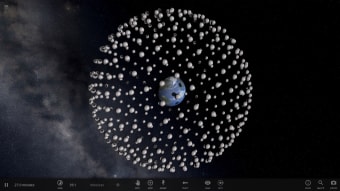
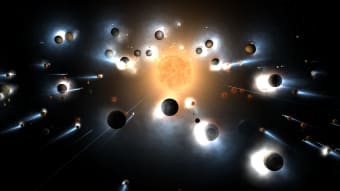
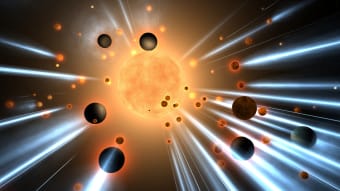
Procedural generation produces a steady supply of distinct planets and stars, and the stellar evolution modules simulate long-term changes that alter scenarios over time. Community-created content and the scale that ranges from moons to galaxy collisions provide reasons to revisit the app: builders refine systems, educators craft demonstrations, and creators iterate on surprising outcomes. Large scenes can demand significant processing, which influences how users plan experiments.
An exploratory pick for curious learners and creative tinkerers
Universe Sandbox is a welcoming choice for players who enjoy experimental, systems-driven play and educators who need a visual lab for astronomy. Expect a gentle investment of time to get meaningful results, and plan to use a capable PC for very large simulations. For those who value accurate, manipulable models of celestial systems, the app rewards sustained exploration and creative scenario design.